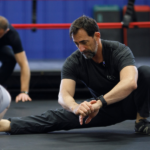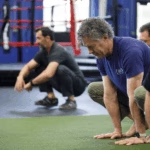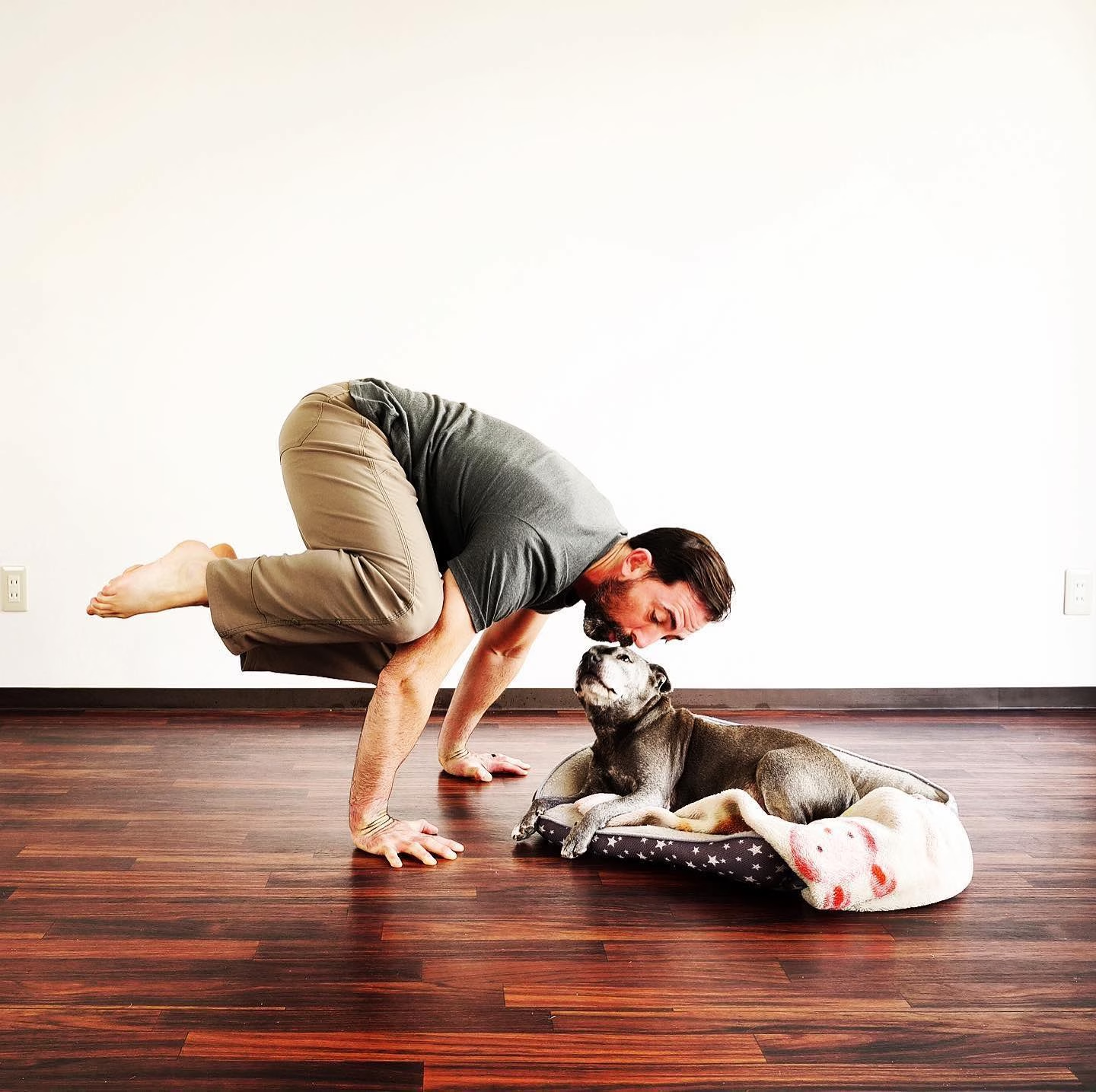

I’m 53 years old, and I am not on TRT…
I train every day. I still get on the judo mat and roll. I’m pain-free, and I’m honestly stronger and more capable than I was at 25.
Most people my age can’t say that. And the difference isn’t genetics or luck. It’s five specific things I’ve done consistently since my 30s. These aren’t the only things that matter. But they’re the five that made the biggest difference for me.
If you start these today, you will stay strong and capable for decades. I really believe that.
1. Hang Every Day
I don’t care what you hang from. A pull-up bar, gymnastics rings, a tree branch, a door frame. I’ve used all of them.
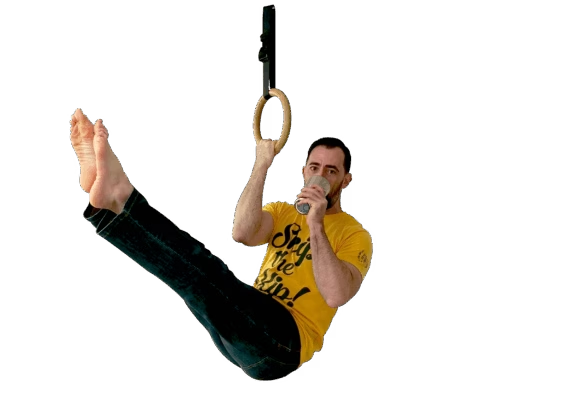
This isn’t about pull-ups. It’s about three things your body needs and isn’t getting.
Grip strength. You lose it steadily after your 30s if you’re not actively using it. Hanging preserves it. And grip strength is one of the best predictors of overall physical capability as you age. When you can grip something and hold on, your body trusts itself more in everything else you do.
Spinal decompression. Your spine compresses all day long from sitting, standing, and just moving around. Hanging pulls it apart. It takes pressure off your discs and creates space between your vertebrae. After a long day, this feels like a reset.
Shoulder health. Hanging keeps your shoulders mobile and strong overhead. Most people lose this capacity quietly in their 30s and 40s, then at 50 they’re wondering why reaching overhead hurts. The fix isn’t complicated. Just hang.
Start wherever you’re at. Ten seconds is fine. Twenty is better. I’d like to see you work up to one minute, done every single day. It doesn’t need to be fancy. Just hang.
👉 Full programming and progressions for hanging
2. Focus on Mobility
I’m talking about actual mobility here. Moving your body through full ranges of motion, under control. This is different from just stretching.
Here’s what most people miss: you’re losing range of motion every year in your 30s and 40s. You don’t notice it because it’s so gradual. Then one day your back hurts tying your shoes. Then you can’t get down on the floor and back up without grabbing something. And you wonder when that happened.
It happened slowly. But the fix doesn’t have to be slow.
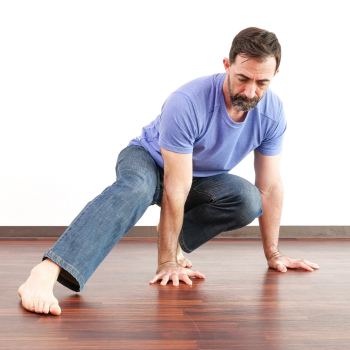 The key is level changes. Going from standing to the ground and back up, in different ways, through different positions. Moving through ranges your body hasn’t visited in years. Five to ten minutes a day is great. Just be consistent about it. Maintain what you have, and slowly expand it.
This is exactly what our Elements program walks you through. It’s structured so you’re building mobility, strength, and body control together in short daily sessions. You don’t need to figure out what to do on your own.
👉 More on joint mobility and why it matters
3. Strength Train for Capability
Everyone knows they should strength train. That’s not the problem.
The problem is how most people in their 30s and 40s are still doing it. They’re training like they’re 22. Chasing personal records. Pushing through pain. Ignoring warning signs from their body. And then at 50 they’re injured and confused about what went wrong.
Here’s the shift: train for what your body can do, not for a number on a bar.
Can you pick something heavy off the floor with solid mechanics? Can you carry it across a room? Can you push and pull in different planes and positions?
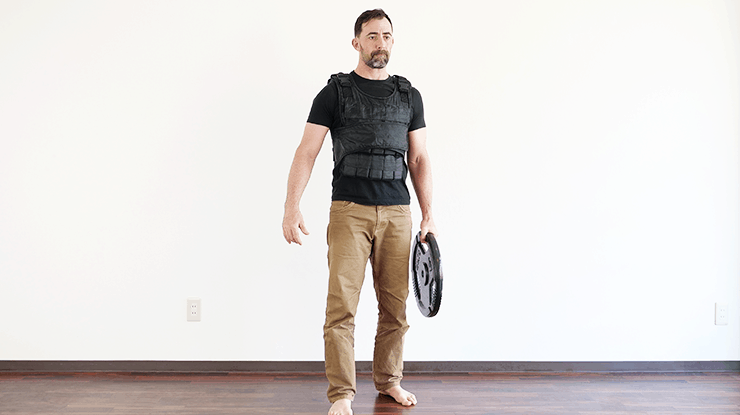
That’s capability. That’s what will still be serving you at 60 and 70.
This could be lifting weights, working on rings, doing a program like Integral Strength, or even just picking heavy things up and carrying them around. The key is doing it in a way that builds you up over time instead of grinding you down.
I’m stronger at 53 than I was at 25, and my training volume is way lower now. I just train with more intention. Every session has a purpose, and I pay attention to how my body responds.
👉 Full programming guide for loaded carries
4. Figure Out Your Why
This is one of the two most important things on this list, and most people completely miss it.
What activity do you actually want to be doing at 60? At 70? And I mean something specific. “Stay in shape” doesn’t count. “Be healthy” doesn’t count. Those goals are too vague to train for, and they’re too vague to keep you showing up when life gets busy.
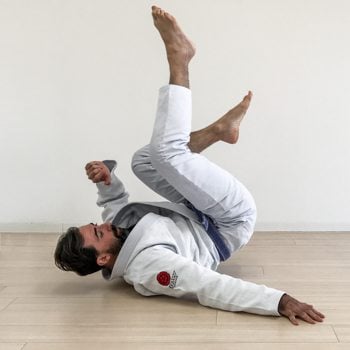 For me, it’s judo. I want to train martial arts, roll on the mat, and teach classes well into my 60s and beyond. That’s been my why for decades, and it gives my training direction. Every session connects to something I actually care about.
When your training has that kind of purpose behind it, you don’t have motivation problems. You’re not just exercising. You’re preparing for something you love.
Most people train just to train. Random workouts. No real direction. Six months in, they quit. And they think the problem was discipline or willpower, but it wasn’t. There was no reason to keep going.
So right now, I want you to think about it. What’s your activity? What do you still want to be doing in 20 years? That’s your training goal. Everything else follows from that.
5. Find Your People
Here’s what I’ve seen in 40 years of training: purpose gives your training direction, but community is what keeps you in it.
People with a strong sense of purpose and a supportive group around them live longer, healthier lives. That’s consistent across the research. And it’s not just the exercise. It’s the social connection, the accountability, and the shared experience of doing hard things with other people.
If you’re training alone, you’re statistically more likely to quit within six months. But when you have people who show up with you, push you, notice when you’re sandbagging, and celebrate when you hit something new, you stick with it. Year after year.
And this isn’t about motivation. If you’ve got the discipline to train alone for years, I respect that. But training with other people makes you better at it. They see things about your movement that you can’t. They push you past where you’d stop on your own. Solo discipline keeps you consistent. Other people keep you honest.
This could be a gym, a martial arts school, a running group, an online training community. Whatever works. Just find people who are doing the thing and train with them consistently.
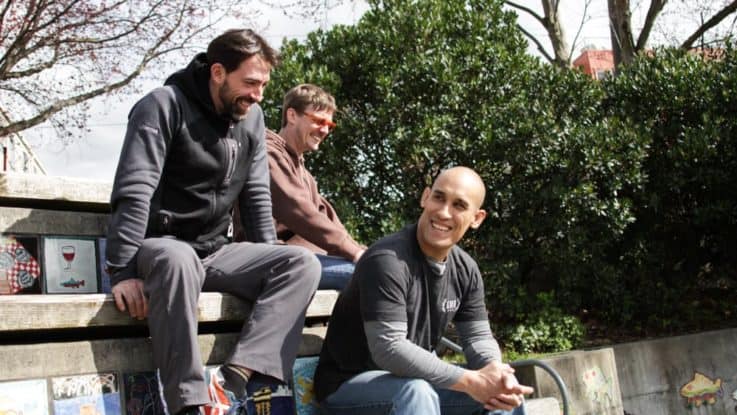
I’ve been part of training communities for decades, and it’s made all the difference. That’s exactly how I met Andy and Jarlo. We started training together, and that eventually became GMB. Everything we’ve built came out of showing up and doing the work alongside other people.
Our Alpha Posse members do this every day. They post their training logs, ask questions, share what’s working and what isn’t. Other members call them on it when they’re holding back. It’s real, and it works.
That’s It
Five things. Hang every day. Move through your full range. Strength train for capability. Know your why. Find your people.
These aren’t complicated. They don’t require special equipment or a complete overhaul of your life. But if you start doing them consistently in your 30s and 40s, 20 years from now you’re going to look back and be very glad you did.
Build Your Foundation for Lasting Strength
It’s where we start all our clients.
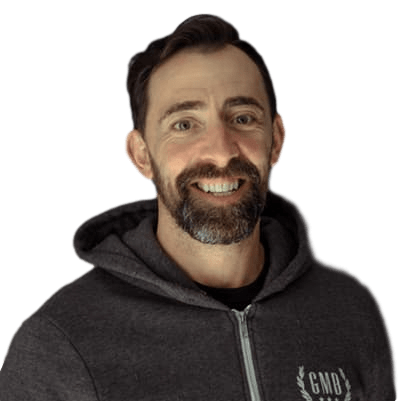
Hi, I'm Ryan Hurst 👋
After a training accident ended his competitive gymnastics career, Ryan moved to Japan, where he spent close to 30 years training and competing in judo, kendo, and other martial arts until another injury made him rethink what training is for.
As Head Coach, he leads program design and teaches every week on our YouTube channel. His book, Stay On The Mat Forever, is aimed at helping you keep training for decades. He loves handstands, dogs, and hiking.