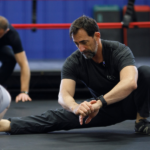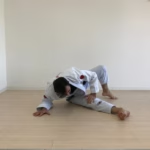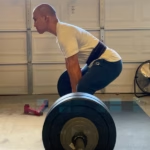

If you’re reading this, you probably enjoy doing challenging things with your body. The feeling of pushing your limits, the confidence in knowing you can do things most people can’t.
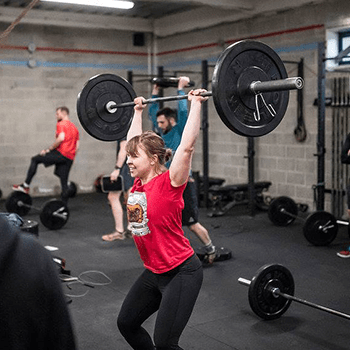 Twenty-seven years as a physical therapist and a lifetime of martial arts have taught me one thing about this: your training priorities should change as you get older.
And when they do, you actually become more capable, because you stop wasting effort on things that don’t build you up.
I’ve worked with clients from about 4 to 102 years old.
The ones who are strongest and most capable at 60, 70, 80 have something in common. They didn’t just keep training. They got smarter about what they trained and why.
We all know the body changes as we get older. You’ve probably seen people in the generations above you get weak and stiff and lose the ability to do the things they love.
The decline you see in sedentary people is dramatically steeper than what happens to people who train with purpose, and the gap between those two groups gets wider every decade.
This article breaks down the three biggest physical changes that come with age and three strategies to stay ahead of them. The body will change. Your capability can keep growing anyway.
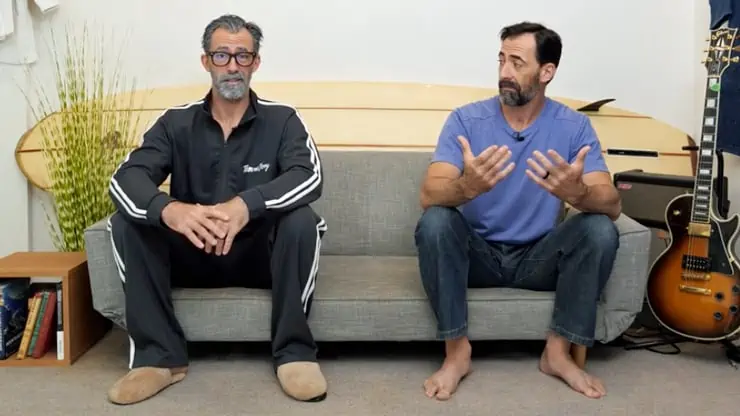
But first, here’s Ryan talking about what’s shifted in his own training over the years.
Fitness at 45 vs Fitness at 25
Ryan’s making a practical case here: choose exercises that build strength, mobility, and control simultaneously, so every session does more for you without tearing you down.
Below, I’ll get into the science of why this approach matters more with every year.
And yeah, we get that 45 isn’t old. But the shift in perspective and priority is relevant at any age, and it’s something we’ve learned by working with thousands of clients across decades. If what Ryan’s saying resonates, you’re in the right place.
How Strength, Flexibility, and Control Change With Age
Your body goes through real physiological changes as you get older. Two camps tend to form around this:
- After a certain age, you’re just going to get worse. There’s nothing you can do about it.
- Aging doesn’t really have to happen. Any decline is your fault for not eating right, training right, supplementing right.
Both of these are wrong, and the truth is more useful than either one.
The body does go through certain physiological changes as you get older, which can make some things more challenging. However, there are specific actions you can take to dramatically slow these changes.
Let me go over the three biggest ones.
Exercisers Hold On to Strength for Decades Longer
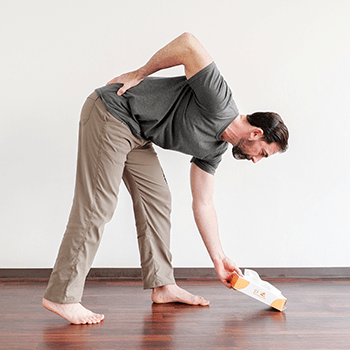 When you think of common characteristics of older people, weakness or frailty probably come to mind.
As people get older, there is a definite decline in strength, but the age at which that sets in and how severe it gets depends largely on exercise habits.
There’s a massive difference between a lifelong exerciser who’s weaker in his 70s than he was at 30 and a lifelong couch potato who breaks her hip at 68.
Take a look at the natural decline non-exercisers go through over a lifetime, compared to what many lifelong exercisers experience:
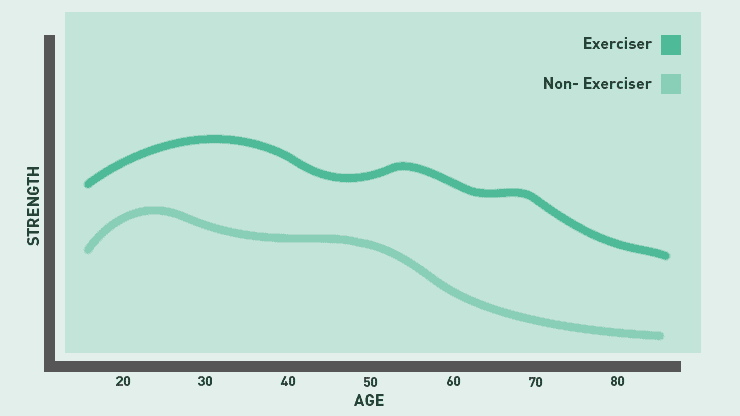
The important thing to note: while both groups experience a decline in strength, exercisers hold on to their strength much better for much longer.
The decline is dramatically steeper for sedentary people.
So yes, you can expect to lose some strength as you get older. But as long as you continue to exercise consistently, you could be doing things at 80 that most people can’t do at 20.
Flexibility Loss Compounds Faster Than You’d Expect
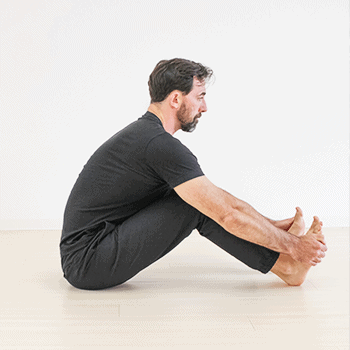 Flexibility is something people of all ages struggle with, but the decline past age 55 or so is pretty significant. One study showed a decrease in shoulder flexion of 5-6 degrees per decade, and a decrease in hip flexion of 6-7 degrees per decade.
Over three or four decades, that adds up to a lot of range you no longer have.
Even if you are currently quite flexible, imagine how limited your life would be if you lost 5-20 degrees of flexion in any joint.
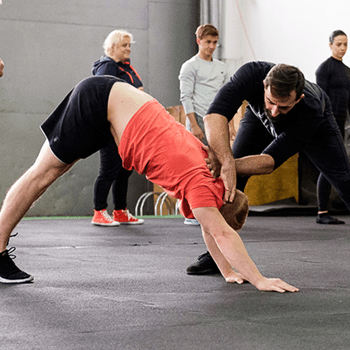
The good news: flexibility training has a significant impact on retaining and increasing range of motion as you get older, even if you’ve lost some of what you had when you were younger.
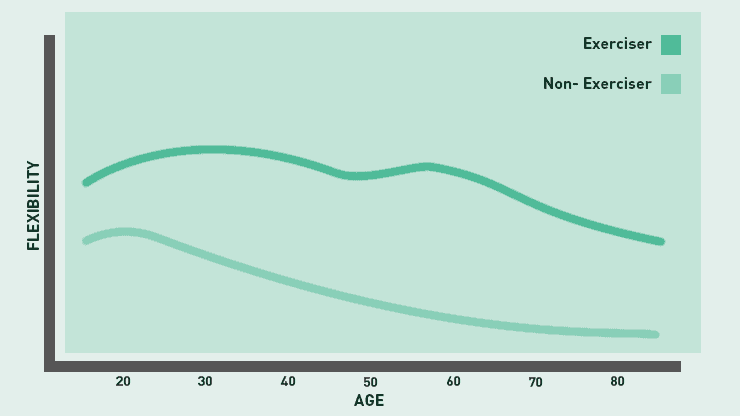
A lot of people start lamenting the flexibility they “once had” the minute they feel changes. But losing flexibility is only a given if you don’t do any flexibility training.
Motor Control Is the One Most People Overlook
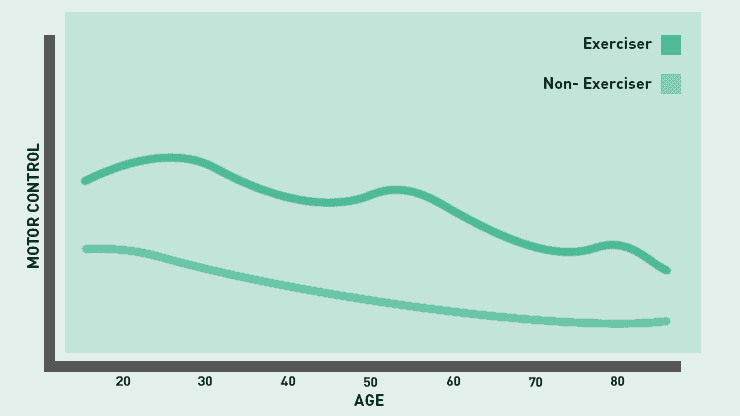
 This is the one that matters most, because it’s what’s responsible for older people losing balance and falling, as well as other potentially life-threatening consequences of poor coordination.
Motor control is what allows you to put your flexibility and strength into controlled motion. People of all ages struggle with it because it’s rarely emphasized in traditional exercise programs, but that makes it more important to address.
Without specifically training your motor control, you can expect to lose significant coordination as you get older. Proper training, though, can help you retain it.
You’re probably not worried about falling and hurting yourself right now. You’re active and strong, and you know you can bounce back from a minor accident. But many adults over a certain age don’t have that same confidence.
Keep up your training, and specifically work on motor control, and you’ll retain that confidence 20, 30, or 40 years from now.
Next we’re gonna look at how menopause plays into all this.
If that’s not an issue for you, you can click here to skip to the next section about our favorite strategies for staying a badass as you get older.
🤷♀️ Why This Matters Even More During Menopause
About half the people reading this will experience menopause, and it’s one of the clearest inflection points where everything I’ve described above accelerates.
Decreasing estrogen and progesterone levels affect the entire body, from muscles to nervous system to heart. The fitness-related impacts include decreasing muscle mass, bone density, and metabolism (which often leads to weight gain), increased stiffness and aches, and fatigue or sleep disturbances that can reduce overall activity levels.
All of that can leave you feeling less capable and confident. But consistent exercise is one of the best ways to counter every single one of these effects.
Strength training maintains and improves both muscle mass and bone density. Mobility work reduces stiffness and keeps your joints in good working order. Training your motor control improves balance and coordination so you move with confidence. And consistent exercise helps you sleep better and reduces low moods.
Whether you’re going through menopause right now or want to build the strongest possible foundation before it starts, the same principles apply: be consistent (at least 3 sessions per week), work at your own level, and use autoregulation to reduce your chances of injury or burnout.
Your body will change. A good, consistent training practice keeps you stronger, less achy, and more resilient through all of it.
3 (+1) Strategies to Keep Building Capability for Life
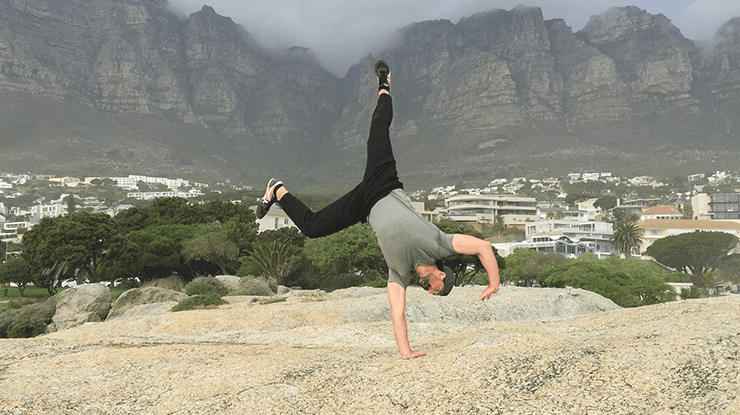
Being fit and healthy for all the things that you need and want to do with your life has little to do with your age and a lot to do with how you live your life.
I remember working in a hospital where there was a 90-year-old patient who was incredibly sharp and strong, and the only reason she was there was because she had broken her hip. I would compare her to a different patient, a 60-something man who could barely stand up and had been like that for years.
A closer look at their respective histories revealed that she was continuously active in all areas of her life, while his listed “hobbies” included watching TV and drinking.
Some medical conditions do show up more often in older folks, but excluding those, the primary indicator of quality of life as we age is how active we remain. The fountain of youth exists, and it’s been proven again and again to be exercise.
The following three strategies will help you continue to do the things you love for a lifetime.
1. Train Now for the Movement You Want at 70
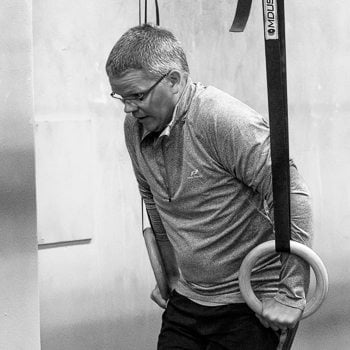 There are countless examples of masters-level weightlifters, gymnasts, runners, martial artists, and other athletes that have prolonged competitive careers.
What sets these lifelong athletes apart is simple. They never stopped, while many of their peers settled for watching old footage of themselves and digging into the next bag of chips.
Though your absolute level of strength will decrease as you get older, and you’ll likely not be hitting personal bests when you are 70, your relative strength as compared to your peers who don’t exercise will be remarkably high.
And at a certain point, even maintaining a level of strength will put you head and shoulders above everyone else.
The important thing is to think about how you want to be moving 20, 30, 40 years from now. Start moving that way now if you haven’t already, and keep at it. That’s what ensures your success much further down the line.
Passion for moving your body, training hard because the act itself means something to you, is the recipe for lifelong fitness. Find something you enjoy, something you want to do for as long as possible, and there’s a good chance you’ll still be going many years from now.
2. Cycle Your Training Focus Instead of Doing Everything at Once
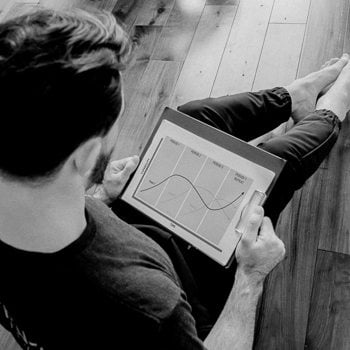 One key component of the GMB Method is the concept of cycling your goals.
This idea applies throughout your training lifetime, and maybe even more so for the older trainee. A targeted plan of attack for a short period of time produces more progress than trying to do everything at once in every workout and spinning your wheels.
It’s also much easier on the body than banging away at the same workouts with the same intensity.
Even for youngsters, that’s a quick trip to a dead end. Patient, directed, consistent effort wins out over frenzied, unfocused exertion every time.
3. Prioritize Your Weak Links Before They Become Problems
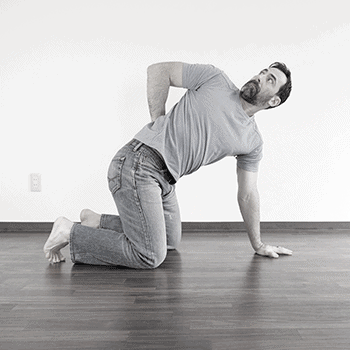 Take a hard, critical look at your current levels of strength, flexibility, and motor control.
Though we can always improve, there are often glaring deficiencies that we tend to gloss over and think “oh, I’ll work on it later.” Well, later needs to be now if you want to get anywhere.
A systematic approach to tackling your weaknesses doesn’t mean neglecting everything else.
The easiest tactic: prioritize that lagging area by moving it to the beginning of your routine. After your warm-up, your energy level is higher and you’re more likely to actually get it done than you would by tacking it on to the end. Work on it first with good concentration and then move on to your other training.
Taking the time to bring up your deficits leads to bigger improvements later on, and for the rest of your training life. Start on it now and you’ll still be collecting on it years from now.
Bonus: Take Recovery Seriously
In the video above, Ryan talks about how much more important recovery has become as he’s gotten older. If you’ve been training for a while, you’ve probably noticed the same thing.
This deserves more than a few sentences, so I’ll send you here:
👉 Our 4 Best Recovery Strategies for Faster Recovery
Find Your Role Models
A lot of our ideas about age and health come from our own experiences with family and whatever the media shows us. If those sources aren’t very inspiring, seek better role models.
One person who’s been a major inspiration for me is Guro Dan Inosanto.
He is amazingly fast, coordinated, and powerful. It’s no exaggeration to say he puts most 30-year-olds to shame. He teaches regularly at his academy in California and has maintained a grueling seminar schedule for over 40 years, all while continuing to train and attend classes himself.
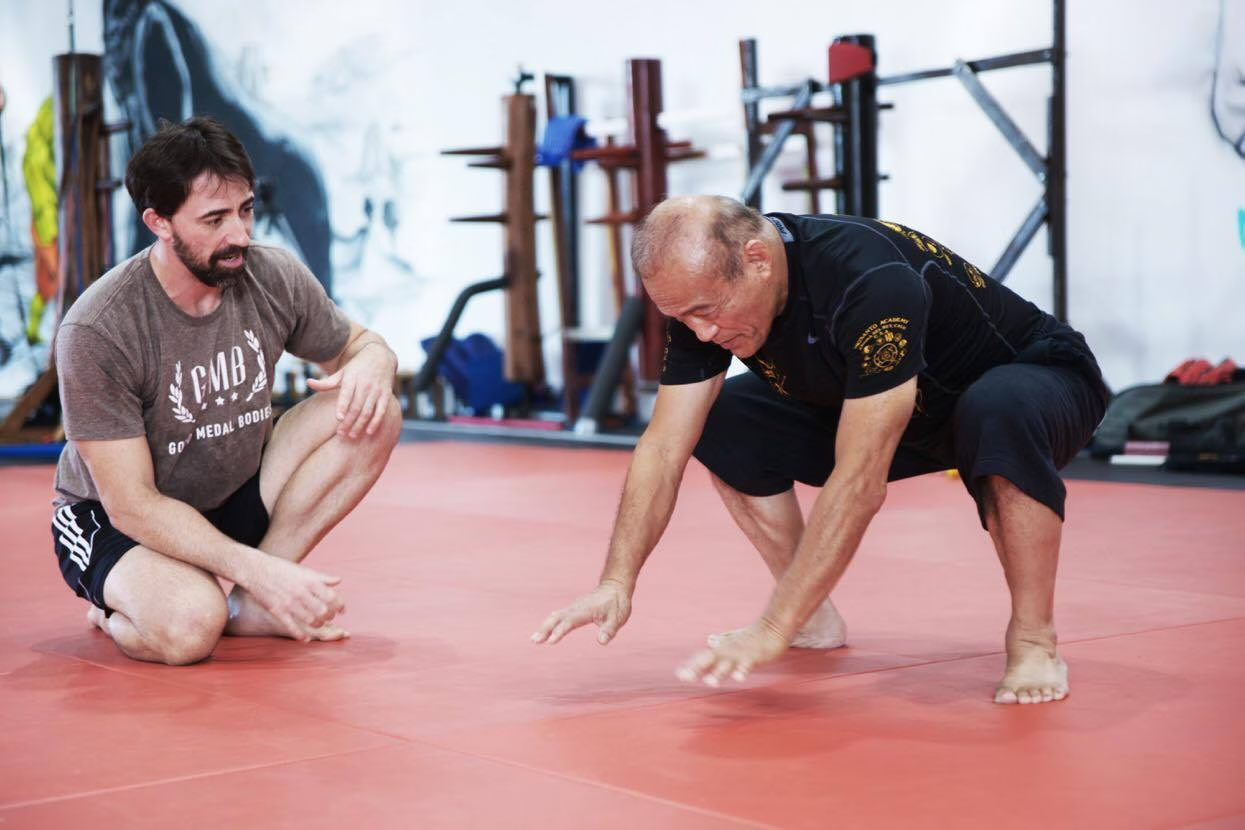
Ryan coaching Guro Dan through some movements from our Elements program after a seminar a few years ago in Australia.
People like Guro Dan are out there in every sport and discipline.
Find the ones who are doing what you want to be doing at their age, and pay attention to what they do consistently. That kind of inspiration keeps you motivated and engaged for the long haul.
Build Capability That Lasts
Too often, people take an all-or-nothing approach to training after a certain age. They think it’s “too late” to start, or things are only bound to go downhill.
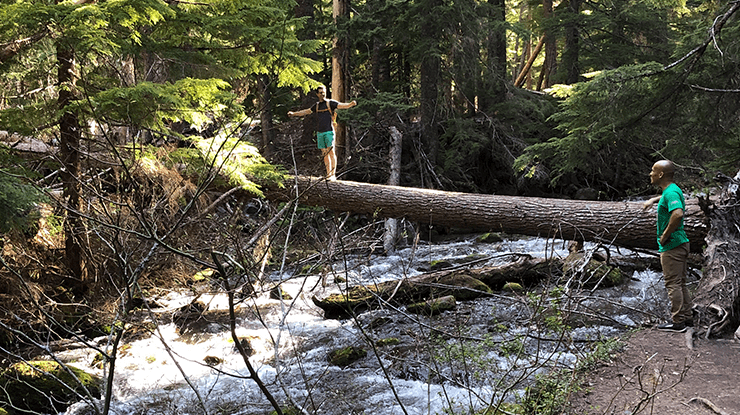
Yes, your body will change as you get older.
But everything in this article points to the same conclusion: the people who stay strong, mobile, and capable are the ones who train all three attributes consistently. Strength, flexibility, and motor control. Together.
That’s exactly what Elements is built to develop.
It’s a structured program that trains all three in every session, with built-in autoregulation so you’re always working at the right level for where you are today. Over 129,000 clients have used our programs to build the kind of physical capability that holds up year after year.
Train with purpose and the years work for you. Elements gives you the structure to do that.
I joined Elements after a back injury during a Crossfit session. Thanks to the COVID lockdown I had no other choice to work at home on the WHY it happened and HOW to prevent such injury. My coach told me that the recovery path should be based on a thorough work on core and mobility.
I am now in week 6 of Elements and really enjoying it. The progress has been great in terms of agility and motor control. The back pain is gone after just a week of practice. As soon as the lockdown eases I will resume my training at the box but no longer with the same attitude. What GMB gave me is an opportunity to reconsider my approach to physical training with less pressure and more understanding of what is happening with my body.
Thanks for this great program.
Build A Strong Foundation; Be A Badass for Life
With Elements, you can develop strength, flexibility, and motor control and maintain it for a lifetime of being fit and active.

Hi, I'm Jarlo Ilano PT, DPT 👋
Jarlo Ilano, PT, DPT, OCS has been a Physical Therapist since 1998. He earned his Doctorate of Physical Therapy in Musculoskeletal Management from Evidence In Motion, was board certified as an Orthopedic Clinical Specialist with the American Board of Physical Therapy Specialties, and is a certified Therapeutic Pain Specialist through EIM/Purdue University.
In addition to cofounding GMB, Jarlo has been teaching martial arts for over 30 years, with a primary focus on Filipino Martial Arts. He designed our Train Without Pain guide and our knee and shoulder restoration programs.